Free Stuff
Everything I actually use/d and recommend! Tutorials, books, and practice sheets.
Tutorial Articles
View all →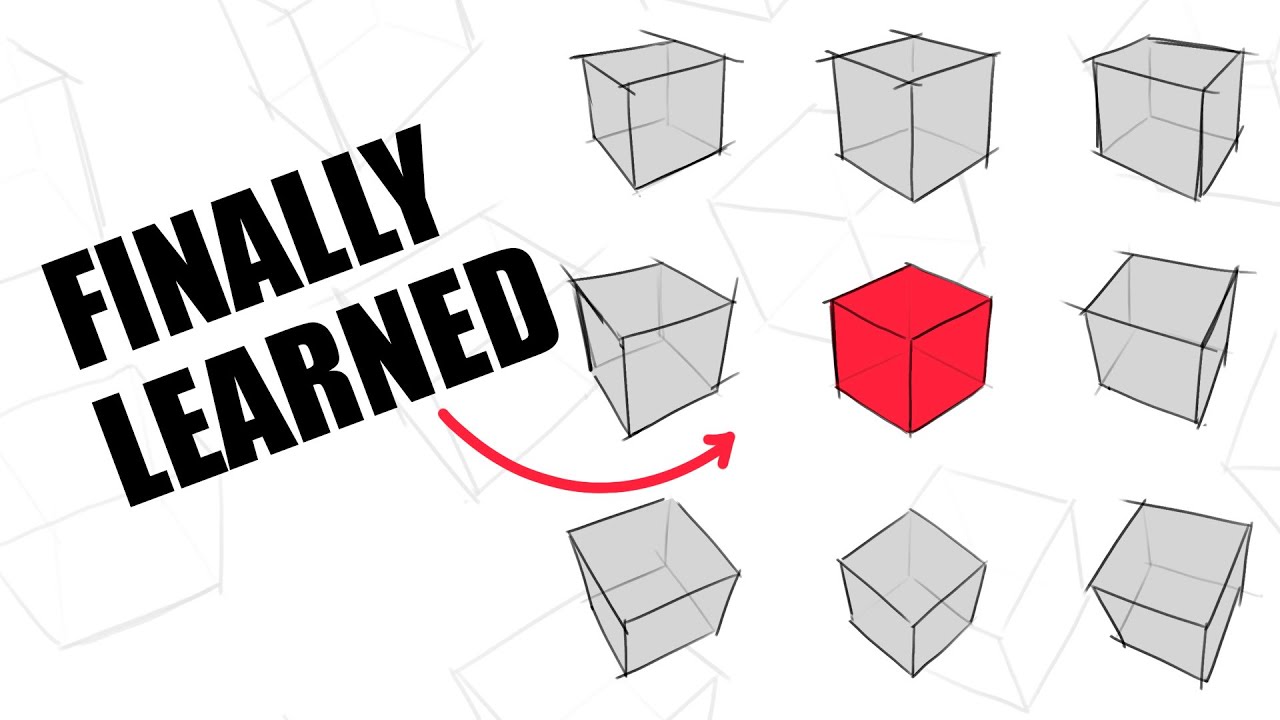
The ONLY Box Rotation Exercise That's ACTUALLY Useful
Drawing boxes randomly makes no sense. In order to make them useful we must define clear rotations and memorize them, to later use them in any drawing construction
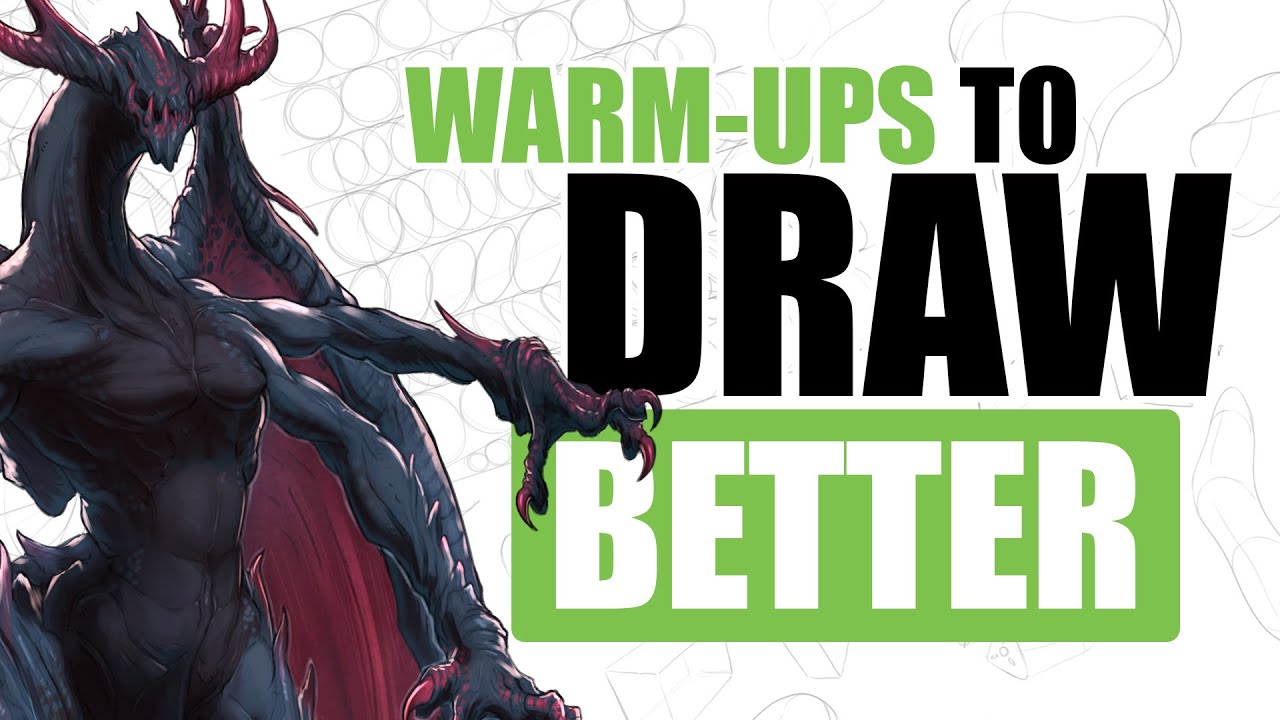
7 Drawing Warm-Up Exercises to Get Your Art Unstuck
If you have experienced the frustration of wanting to pull a specific line, and see the pen go elsewhere against your will, welcome to the club. Dexterity is built over time, but every time you start your drawing session you should still warm up to avoid accidents like that.
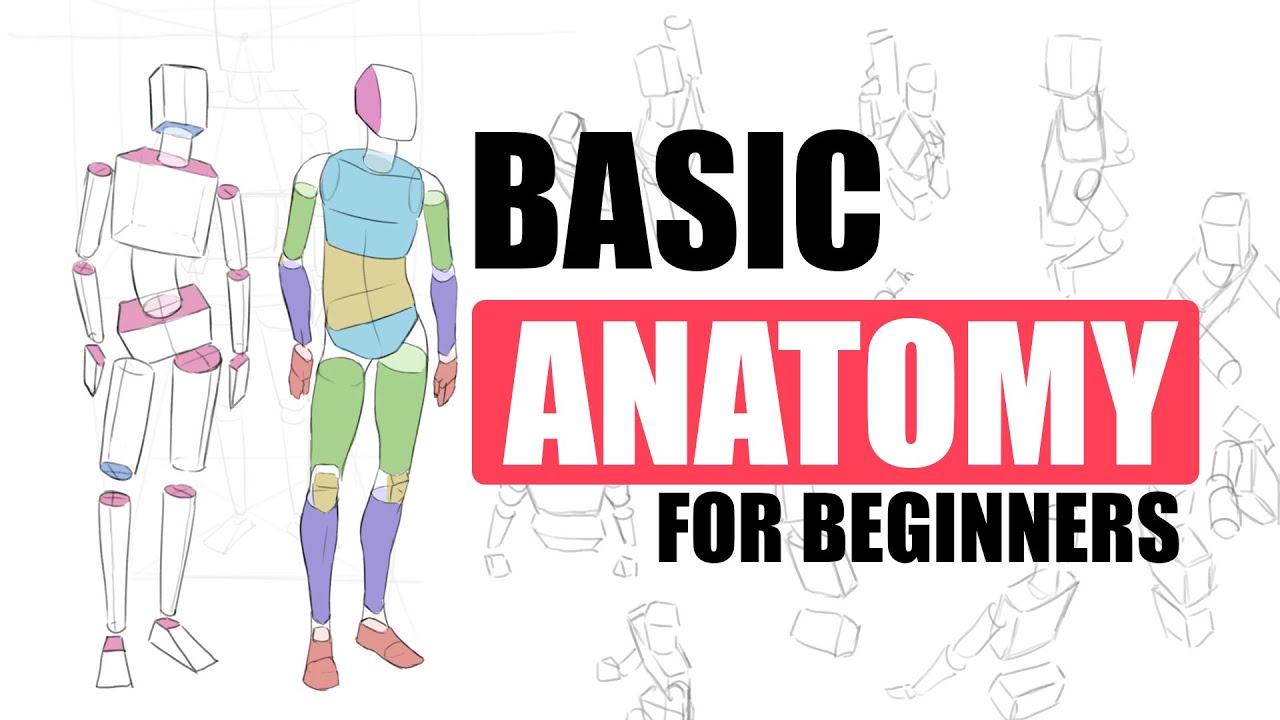
The First, EASY Step To Draw Bodies (For Beginners)
Most beginners try to copy the outline of a body and wonder why it looks wrong. The actual first step has nothing to do with outlines... and starts with a STICKMAN!
Recommended Books
Books I've studied and actually found useful.
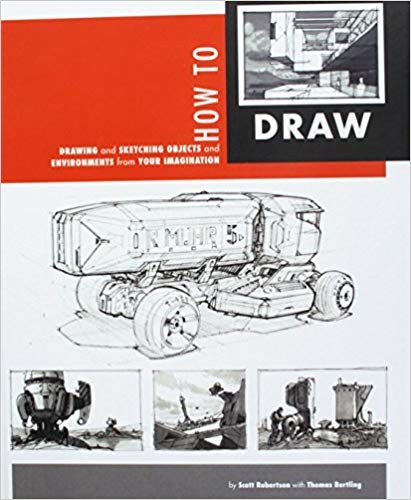
How to Draw
by Scott Robertson
What it's about
Technical reference covering perspective, form construction, hard surface and industrial design from first principles. Goes deep into how to see and construct forms from imagination.
Why I recommend it
This is a HARD book. It's dense, and packed with information. It's not for everyone, but I can guarantee that it's gonna come a moment when you REALLY need to go through it and absorbe its valuable information
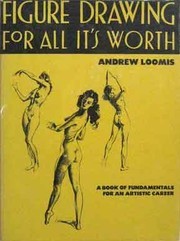
Figure Drawing for All It's Worth
by Andrew Loomis
What it's about
Comprehensive figure drawing guide covering proportions, rhythm, construction, and the figure in action. One of the most referenced classics in the field.
Why I recommend it
The skeleton mannequin, the section about balance, and overall the fact that most of the modern methods of figure drawing are based on Loomis's work.
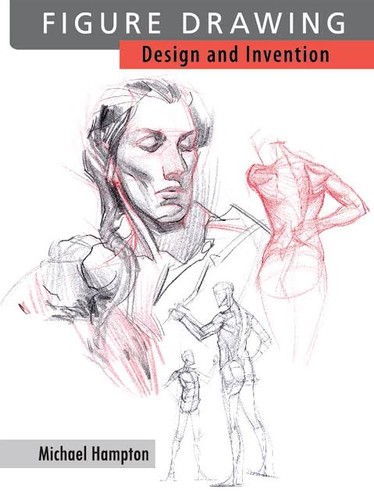
Figure Drawing: Design and Invention
by Michael Hampton
What it's about
Focuses on understanding the figure structurally: gesture, anatomical landmarks, how forms connect and overlap. Teaches you to design the figure, not just copy it.
Why I recommend it
This is how I first learn about structure of the human body. it's easy to digest, and the part on the shoulder girdle is especially useful.
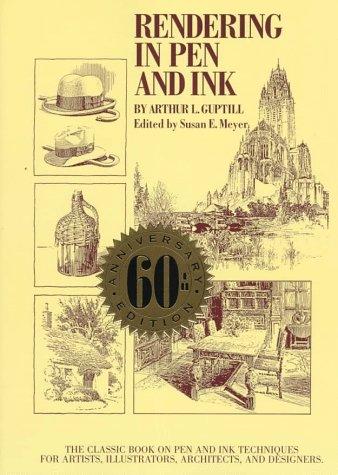
Rendering in Pen and Ink
by Arthur Leighton Guptill
What it's about
Dedicated to inking techniques: hatching, cross-hatching, stippling, line weight, and how to describe form, texture, and light using ink alone.
Why I recommend it
If you want to ink at ANY level, you need this book. I cannot overstate the amount of value I got out of the exercises contained in it. Even if you are not interested in the specific style, the sheer dexterity you can gain from working through it is invaluable.
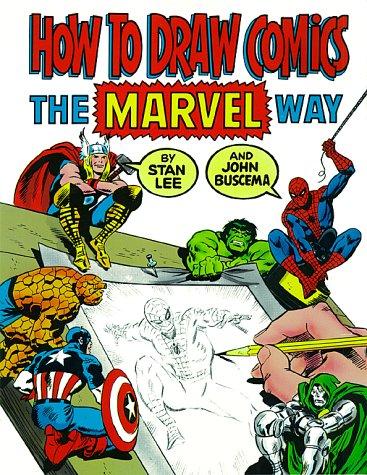
How to Draw Comics the Marvel Way
by Stan Lee & John Buscema
What it's about
Classic guide to comic illustration covering dynamic figure poses, storytelling composition, facial expressions, and the visual energy behind superhero art.
Why I recommend it
It's basically the method I use to draw figures, all the time.
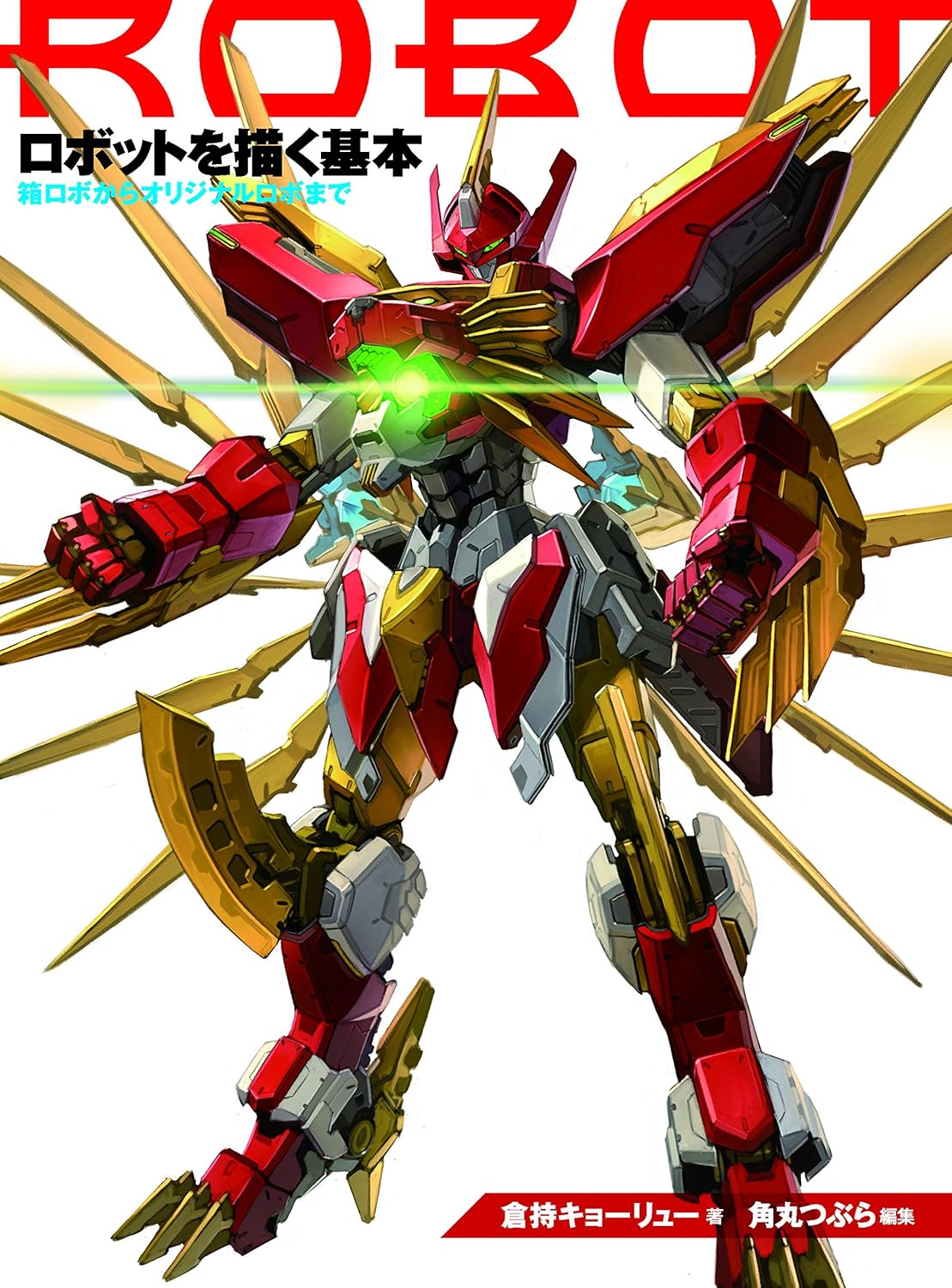
ロボットを描く基本 (Basic Robot Drawing)
Japaneseby 倉持キョーリュー (Kuramochi Kyōryū)
What it's about
Step-by-step guide to drawing robots, starting from simple box-based geometric forms and progressing to fully original mech character designs.
Why I recommend it
The best book I've found for hard surface. The logic for constructing mechanical forms from boxes is directly applicable to any hard-surface design work, and even figures. Clear enough to follow even without reading Japanese (or you can use Google Lens with your phone).
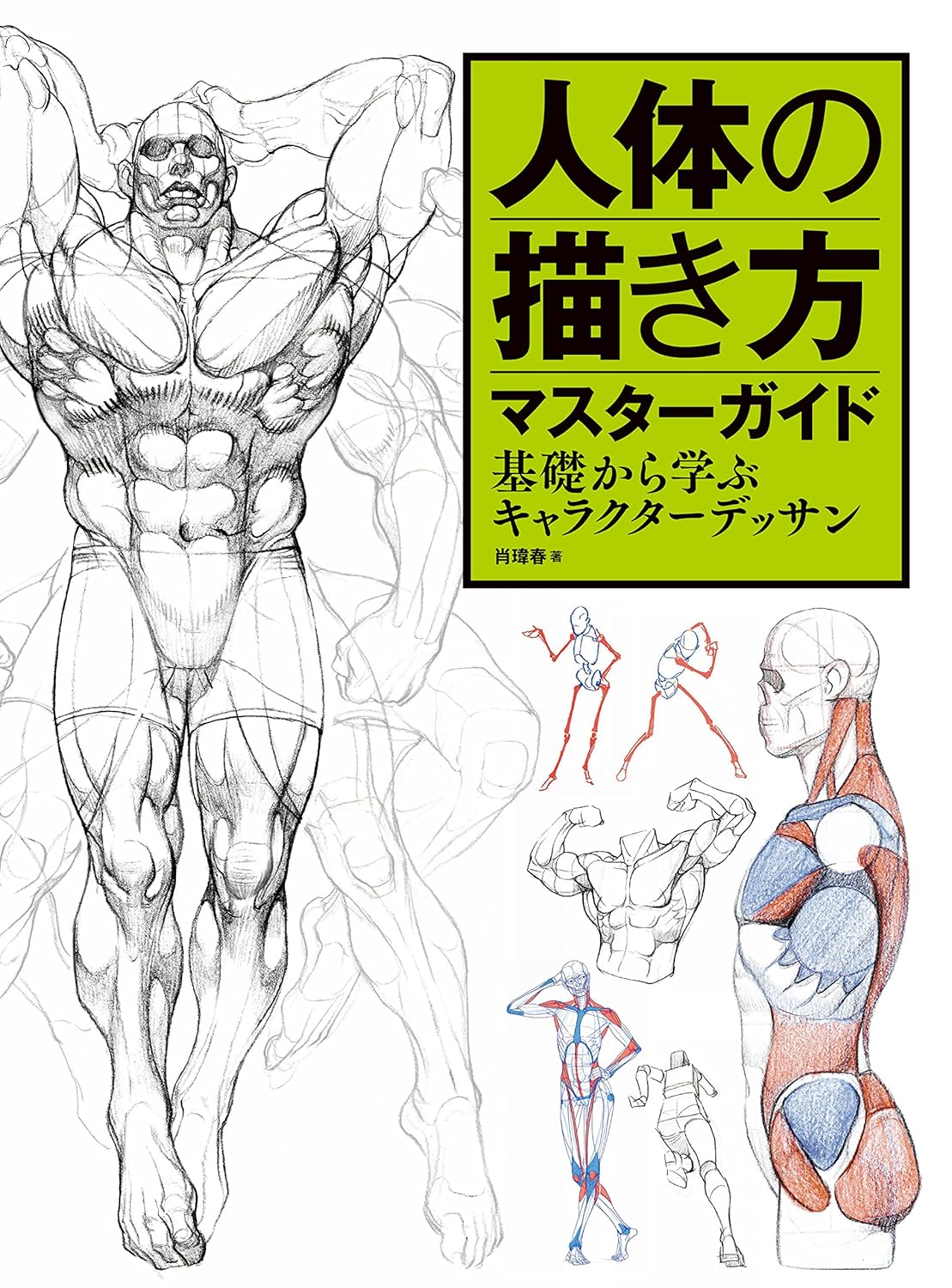
人体の描き方マスターガイド (Human Body Drawing Master Guide)
Japaneseby 肖瑋春 (Xiao Weichun)
What it's about
Comprehensive figure drawing guide covering construction of the human body from basic forms to full character design, structured from fundamentals up.
Why I recommend it
Hands down the clearest anatomy book I have encountered overall. There are so many applied examples you will run out of teeth before you can reproduce them all :D
Free Downloads
Practice sheets and reference materials
Practice sheets coming soon.
Free resources are a start. A mentor is the shortcut.
Books and articles give you the theory. 1-on-1 mentorship applies it directly to your drawings and tells you exactly what's wrong.
Learn About Mentorship